

Recent Post


Exploring the Elegance of Traditional Japanese Trousers: A Comprehensive Guide
So, you've probably seen them around – those cool, flowy pants that look like they stepped right out of a history book but somehow also fit perfectly with modern style. I'm talking about traditional Japanese trousers, like the hakama and tobi. They've got this amazing vibe that's both old-school and totally now. Whether you're into fashion or just curious about unique clothing, these trousers are worth a closer look. Let's break down what makes them so special and how you can actually wear them without looking like you're in a costume.
Key Takeaways
- Traditional Japanese trousers, like hakama and tobi, offer a unique blend of historical roots and modern fashion appeal.
- These garments have evolved from historical wear to become versatile pieces in contemporary wardrobes, influencing global fashion.
- Styling traditional Japanese trousers involves balancing silhouettes and can be fused with Western fashion elements for a chic look.
- Choosing the right fabric and ensuring a proper fit are important for both the aesthetic and longevity of these garments.
- Acquiring authentic traditional Japanese trousers requires finding reputable sources that offer both classic and modern variations.
The Enduring Appeal of Traditional Japanese Trousers
Historical Roots and Evolution
Traditional Japanese trousers, like the hakama and tobi, aren't just clothing; they're pieces of history you can wear. Originally, garments like the hakama were worn by samurai and nobility, serving practical purposes on horseback and in formal settings. Think about the layered look and the freedom of movement these garments offered centuries ago. Over time, especially during the Meiji Restoration, Western clothing became more common, and traditional Japanese wear shifted towards special occasions. But that wasn't the end of the story. The late 20th century saw a renewed interest in Japanese culture, bringing these trousers back into the spotlight, often with modern twists.
Cultural Significance in Modern Times
Today, these trousers represent more than just historical fashion. They're a way to connect with Japanese heritage while still looking stylish. You'll see them worn at traditional ceremonies, martial arts practices, and even at modern festivals. They carry a certain gravitas, a sense of respect for tradition that's hard to find in everyday Western wear. It’s this blend of the old and new that gives them their unique charm. They stand as a symbol of cultural identity, bridging generations and offering a distinct aesthetic.
Wearing traditional Japanese trousers is like carrying a piece of Japan's story with you. They speak of discipline, elegance, and a deep connection to the past, all while fitting surprisingly well into our fast-paced modern lives.
Global Fashion Influence
It's fascinating how these garments have traveled beyond Japan's borders. Fashion designers worldwide have taken inspiration from the silhouettes and details of hakama and tobi. You can find modern interpretations on runways and in streetwear collections. They offer a unique alternative to standard pants, providing a flowing, often dramatic look that catches the eye. This global adoption shows just how timeless and adaptable traditional Japanese design can be. It's a testament to their inherent style and the growing appreciation for diverse fashion influences.
- Versatility: They can be dressed up or down, pairing well with simple tops or more elaborate pieces.
- Unique Silhouette: The wide legs and pleats create a distinctive look that stands out.
- Cultural Connection: They offer a way to engage with Japanese aesthetics and history.
Exploring Iconic Styles: Hakama and Tobi
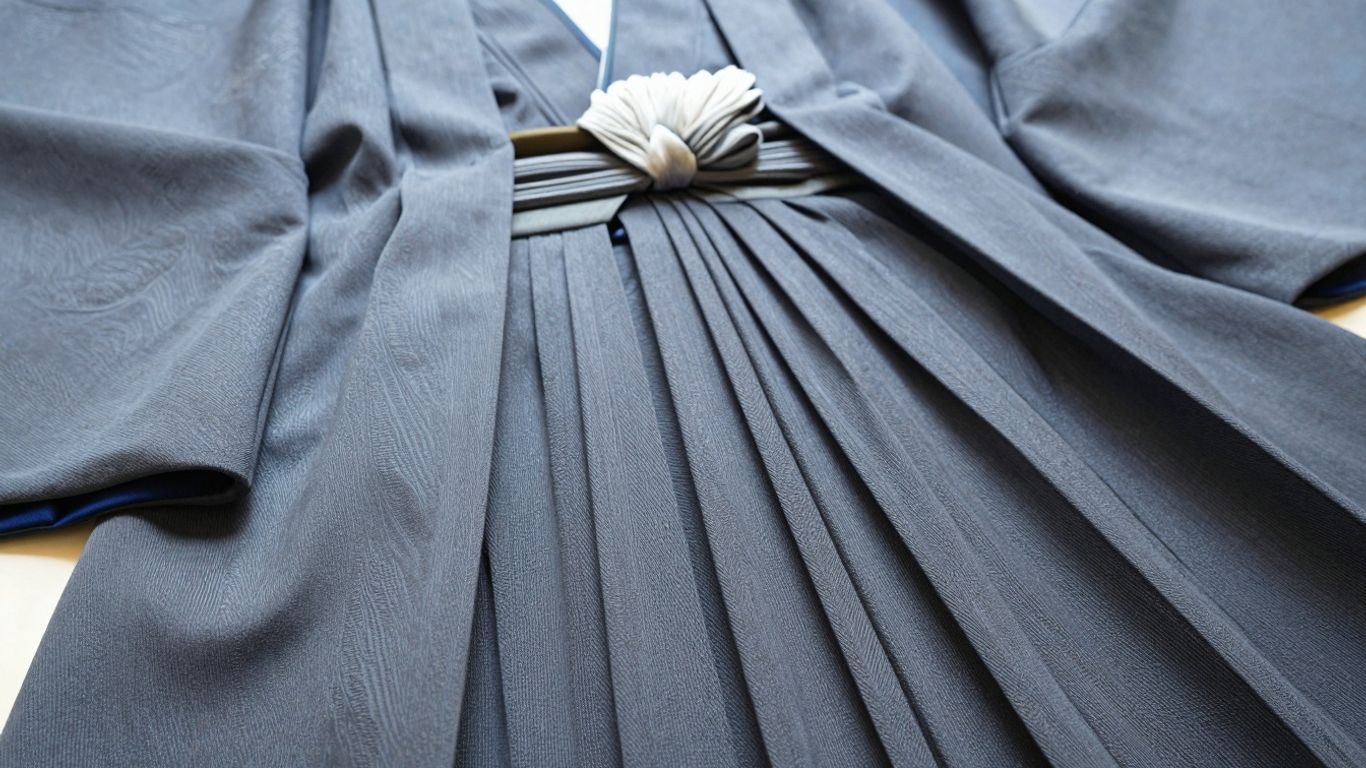
When we talk about traditional Japanese trousers, two styles immediately come to mind for their distinct looks and historical weight: Hakama and Tobi.
The Versatility of Hakama Pants
Hakama pants have a really interesting story. They used to be worn by samurai and nobility, but now they're showing up everywhere, from high fashion runways to streetwear. It's amazing how a garment with such deep historical roots can feel so modern. They're known for their wide legs and often feature deep pleats, which give them a unique flow and elegance. What's cool is how designers are playing with them now. You can find Hakama made from all sorts of materials, not just traditional silk or hemp. Think light linens, comfortable cottons, and even modern synthetic blends. They've also been adapted into more streamlined versions, making them suitable for both casual outings and more formal events. Their adaptability is really what makes them stand out.
Understanding Tobi Trousers
While Hakama are perhaps more widely recognized globally, Tobi trousers offer a different, yet equally compelling, traditional Japanese silhouette. These are often associated with tradespeople and laborers, like carpenters or construction workers, hence the name 'Tobi' which can relate to 'flying' or 'jumping', suggesting freedom of movement. They typically feature a more utilitarian design, often with a slightly tapered leg and a secure, drawstring waist. Unlike the flowing elegance of Hakama, Tobi trousers prioritize practicality and durability. They're built for work, offering comfort and ease of movement for those engaged in physical tasks. You'll often see them in sturdy cotton or denim-like fabrics.
Blending Tradition with Contemporary Design
Both Hakama and Tobi trousers are fantastic examples of how traditional Japanese clothing can be reinterpreted for today's world. Designers are taking the core elements – the silhouette, the pleating, the functional aspects – and giving them a modern twist. This might mean using unexpected fabrics, adding contemporary details like zippers or different pocket placements, or even combining elements from both styles. The result is clothing that respects its heritage while feeling fresh and relevant. It’s this blend that allows these traditional garments to find a place in wardrobes far beyond Japan, appealing to a global audience looking for unique style with a story.
The journey of these trousers from historical attire to modern fashion statements highlights a universal appreciation for garments that offer both aesthetic appeal and functional design. Their adaptability proves that tradition doesn't have to be static; it can evolve and inspire new forms of expression.
Styling Traditional Japanese Trousers
Creating Balanced Silhouettes
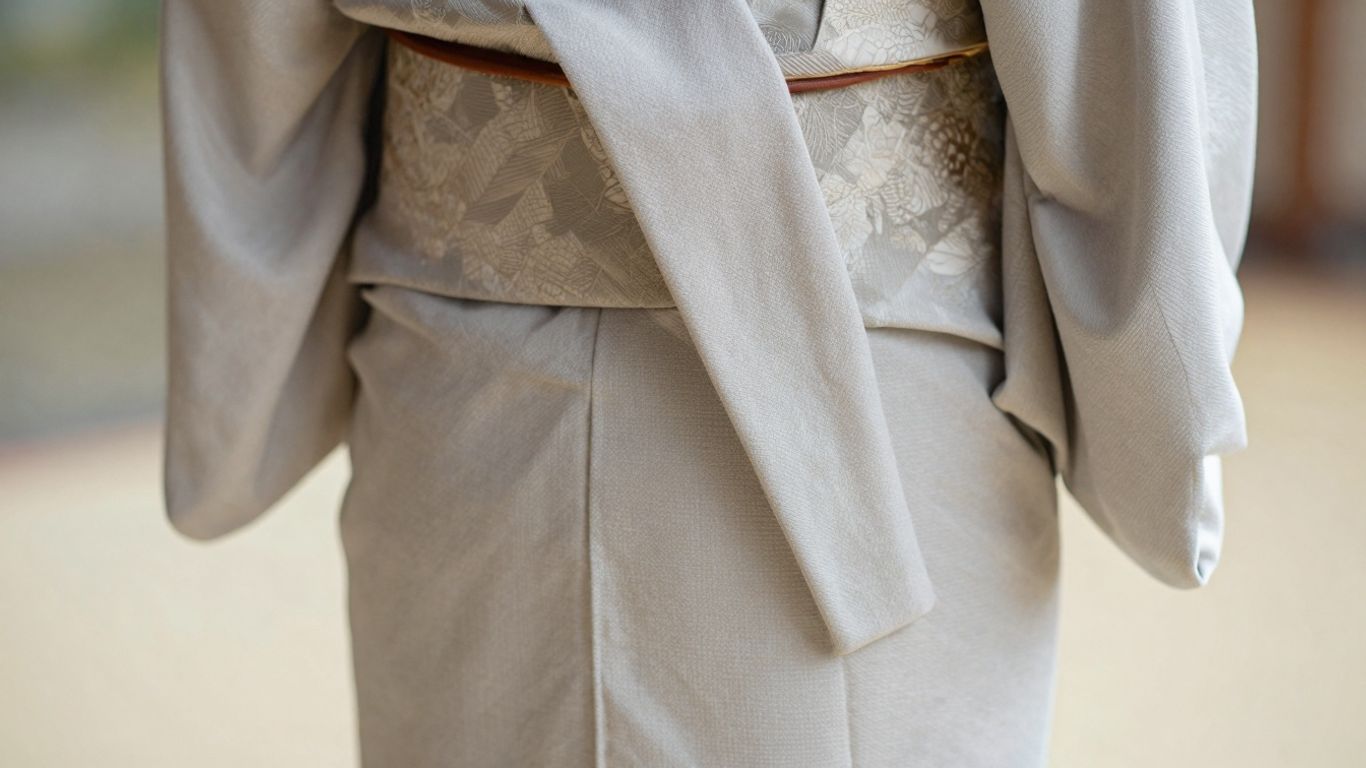
When you're thinking about wearing traditional Japanese trousers like hakama or tobi, the first thing that often comes to mind is their volume. They tend to be quite wide and flowy, which is part of their charm, but it means you need to be smart about what you pair them with. The key is balance. If you're wearing a very full trouser, it's usually best to go for something more fitted on top. Think about a sleek, slim-fit t-shirt, a well-tailored button-down shirt, or even a fine-gauge knit sweater. This contrast stops the whole outfit from looking overwhelming and helps define your shape. It's not about hiding your figure, but about creating a pleasing visual harmony between the loose lower half and a more streamlined upper half.
Accessorizing for a Polished Look
Accessories can really make or break an outfit, and with Japanese trousers, they're a great way to add your personal touch. A simple, well-chosen belt can cinch the waist of wider trousers, adding definition and a touch of structure. For a more traditional vibe, consider a fabric obi-style belt. Footwear is also important; depending on the occasion and the specific trousers, you might opt for minimalist sneakers for a casual look, or perhaps some smart loafers or even traditional geta sandals if you're going for authenticity. Don't overdo it, though. The beauty of these trousers often lies in their simplicity, so a few well-placed accessories are usually more effective than a lot of clutter.
Fusion with Western Fashion Elements
This is where things get really interesting. You don't have to stick to a purely traditional Japanese aesthetic. Mixing these trousers with Western clothing can create some really unique and stylish looks. Imagine pairing wide-leg hakama with a sharp, modern blazer and a simple white tee underneath. Or perhaps some tobi pants with a chunky knit sweater and sturdy boots for a more rugged, urban feel. It’s about finding pieces that complement each other, even if they come from different fashion worlds. The goal is to create an outfit that feels cohesive and reflects your personal style, whether that's leaning more traditional or more contemporary. Experimentation is definitely the name of the game here.
Choosing and Caring for Your Garments
So, you've decided to bring some traditional Japanese trousers into your wardrobe. That's awesome! But before you go all in, let's chat about picking the right pair and keeping them looking sharp. It's not super complicated, but a little know-how goes a long way.
Fabric Selection for Different Occasions
Think about where you'll be wearing these trousers. This is a big one. For everyday wear, you want something that can handle a bit of life. Cotton or a sturdy polyester blend are usually good bets. They're tough, easy to clean, and don't wrinkle too badly. If you're aiming for something more special, like a formal event or a cultural gathering, you might look at silk or rayon. These fabrics have a beautiful drape and a nicer sheen, but they definitely need more TLC.
- Everyday Wear: Cotton, Linen blends, Polyester blends
- Semi-Formal/Cultural Events: Rayon, Tencel, Wool blends
- Formal/Special Occasions: Silk, High-quality Rayon
The weight of the fabric also matters. Lighter materials are great for warmer weather, while heavier ones offer more structure and warmth for cooler days.
Ensuring the Perfect Fit
Getting the fit right is key. You don't want anything too tight or too baggy, unless that's the specific look you're going for. Traditional Japanese trousers often have a looser fit through the leg, but the waist should feel secure. If you're looking at hakama, pay attention to the length – they should generally fall around the ankle. Some styles have ties or a waistband that needs to sit comfortably. It's always better to try them on if you can, or at least check the sizing chart very carefully.
Maintenance for Longevity
Taking care of your trousers will make them last much longer. It's not rocket science, but it does require a bit of attention.
- Washing: Always check the care label! Silk or delicate fabrics might need dry cleaning. Cotton or poly blends can often be hand-washed in cold water with a mild detergent. Avoid wringing them out too much; gently squeeze out excess water.
- Drying: Lay them flat to dry whenever possible. This helps them keep their shape and prevents stretching.
- Ironing: If you need to iron, use a low heat setting. For delicate fabrics, use a pressing cloth between the iron and the garment. If your trousers have pleats, like hakama, ironing them carefully will keep that sharp look.
- Storage: Fold them neatly to preserve the pleats. Storing them in a breathable garment bag, away from direct sunlight, is a good idea, especially for natural fibers like silk.
The Journey of Hakama Pants in Fashion
From Samurai to Streetwear
It's pretty wild to think about how far hakama pants have come. Originally, these were the go-to legwear for samurai and other folks in feudal Japan. We're talking about a garment that saw action on the battlefield and was part of formal court attire. Fast forward to today, and you'll see them popping up everywhere, from high-fashion runways to the streets of Tokyo and beyond. This transformation from a historical warrior's uniform to a modern fashion staple is quite a story. It really shows how a piece of clothing can adapt and stay relevant across centuries.
Adaptation to Contemporary Styles
So, how did hakama go from ancient Japan to being a trendy item now? Well, designers have gotten really creative. They've taken the classic wide-leg, pleated look and tweaked it. You can find hakama made from all sorts of materials now – not just traditional silk or hemp, but also comfy cottons, breathable linens, and even modern synthetic blends. This makes them way more practical for everyday wear. Some versions are more tailored, offering a sleeker silhouette that works for both casual outings and more dressed-up events. It’s all about making them fit into our lives today.
Designer Interpretations and Collections
International designers have definitely taken notice. You'll see hakama-inspired designs showing up in collections from New York to Paris. They often blend that distinct Japanese aesthetic with Western fashion ideas, creating something totally new and exciting. It’s this fusion that makes them so appealing to a global audience. They’re not just seen as traditional wear anymore; they’re a statement piece that bridges cultures and eras. It’s pretty cool how a garment with such deep historical roots can become a symbol of modern, cross-cultural style.
The adaptability of hakama pants is remarkable. They've managed to retain their unique visual identity while seamlessly integrating into diverse fashion landscapes, proving that tradition and modernity can coexist beautifully in clothing.
Where to Acquire Authentic Japanese Trousers
Finding genuine traditional Japanese trousers, like hakama or tobi, can feel like a treasure hunt, but it's totally worth it for the unique style they bring. You're not just buying pants; you're getting a piece of history and culture.
Finding Reputable Sources
When you're looking for the real deal, it's smart to go to places that specialize in Japanese clothing or have a strong connection to Japanese craftsmanship. Online stores that focus on traditional wear or even high-end boutiques that curate global fashion are good starting points. Look for shops that provide detailed descriptions of the garment's origin and materials. Sometimes, you can even find artisans who make them by hand. It’s all about finding that balance between authenticity and accessibility.
Here are a few types of places to check out:
- Specialty Japanese Clothing Stores: These are often the best bet for truly authentic items. They might be online or brick-and-mortar shops.
- Martial Arts Suppliers: Traditional hakama are often used in martial arts, so these suppliers can be a good source for durable, authentic versions.
- Curated Fashion Boutiques: Some fashion stores that focus on unique, globally-inspired pieces might carry high-quality Japanese trousers, often with a modern twist.
- Direct from Japan (with caution): If you have a trusted contact or are familiar with specific Japanese brands, buying directly can work, but be mindful of shipping and customs.
Understanding Modern Variations
Not all Japanese-style trousers you find will be strictly traditional. Many designers and brands create modern interpretations that capture the essence of hakama or tobi but are made with contemporary fabrics and fits. These can be easier to find and often more practical for everyday wear. Think about what you want them for – a special event might call for a more traditional silk hakama, while daily use might be better suited to a cotton or blend version.
It's good to know the difference between a garment made for a tea ceremony and one designed for streetwear. Both have their place, but knowing what you're looking for helps you find the right piece.
Curated Collections for the Modern Wardrobe
Many contemporary brands are now offering their own takes on Japanese trousers. These collections often blend traditional silhouettes with modern aesthetics, making them easier to style with your existing wardrobe. You might find them in streetwear brands, techwear shops, or even some mainstream fashion retailers. These modern versions are great for experimenting with the look without committing to a purely traditional garment. They often come in a wider range of colors and patterns too, giving you more options to play with.
When you're shopping, pay attention to the details. The way the pleats are constructed, the type of fabric used, and the overall cut can tell you a lot about the garment's quality and authenticity. Don't be afraid to ask questions if you're unsure about something. It's better to be informed than to end up with something that isn't quite what you expected.
Wrapping It Up
So, there you have it. Japanese trousers, like hakama and tobi, are more than just clothes; they're a piece of history you can wear. They've come a long way from ancient Japan to today's fashion scene, showing up everywhere from formal events to streetwear. It's pretty cool how they blend old traditions with modern style, right? Whether you're looking to add something unique to your wardrobe or just appreciate good design, these pants offer a way to stand out. Don't be afraid to try them out and see how they fit into your own look. They're a great way to connect with a different culture while still looking sharp.
Frequently Asked Questions
What are traditional Japanese trousers?
Traditional Japanese trousers, like hakama and tobi pants, are loose-fitting garments with a rich history. They were once worn by samurai and other important people in Japan. Today, they're popular in fashion for their unique look and comfort.
Are hakama pants only for formal events?
Not at all! While hakama can be dressed up for special occasions, they're also super versatile. You can wear them for everyday outings by pairing them with simpler tops and shoes. They've become a cool way to mix old and new styles in your wardrobe.
How do I style hakama pants?
To balance the wide shape of hakama, try wearing a more fitted top. You can also add accessories like a belt or unique jewelry to make the outfit your own. They look great with both traditional Japanese tops and Western-style shirts or jackets.
What are tobi trousers?
Tobi trousers are another type of Japanese workwear pants. They are often tighter around the calves and ankles, making them practical for work where you need to move around a lot. They have a more utilitarian feel compared to the flowing hakama.
Where can I buy authentic Japanese trousers?
You can find authentic Japanese trousers from specialty clothing stores, both online and in some physical shops that focus on Japanese fashion or traditional wear. Some brands also offer modern versions that capture the essence of these styles.
How should I take care of my Japanese trousers?
The best way to care for them depends on the fabric. Delicate materials like silk might need dry cleaning. For cotton or synthetic blends, hand washing in cold water and laying them flat to dry is usually best. Always check the care label if available.
