

Recent Post


Beyond the Kimono: Exploring the Style and History of Traditional Japanese Trousers
So, you've probably seen these pants around. They've got this really unique shape, kind of baggy up top and then tight at the ankle. They're called Tobi Trousers, and they're way more than just some weird work pants. They actually have a pretty cool history tied to Japanese culture and craftsmanship. Originally made for guys building stuff way up high, these traditional Japanese trousers have a story to tell. Let's get into it.
Key Takeaways
- Traditional Japanese trousers, known as Tobi Trousers, evolved from historical garments like samurai hakama and Edo-period work pants.
- Their distinctive silhouette, with voluminous thighs and tapered ankles, was designed for freedom of movement and safety for high-rise construction workers.
- Tobi Trousers became a symbol of pride, identity, and solidarity for the 'men who fly,' showcasing deep artisan craftsmanship.
- These pants have transitioned from workwear to a global fashion item, appreciated for their functional design and cultural significance.
- Styling Tobi Trousers today involves balancing their volume with complementary tops and footwear, and incorporating traditional Japanese elements for a unique look.
The Enduring Legacy Of Traditional Japanese Trousers
Roots in Samurai and Edo-Period Workwear
It’s easy to look at Tobi Trousers today and see them as just another piece of cool workwear, but their story goes way back. Think centuries, not just decades. The design we see now actually pulls from two very different, but equally important, traditional Japanese garments. First, there are the hakama, those wide-legged pants famously worn by samurai. They were all about allowing for big movements, whether that was for sword fighting or riding a horse. Then you have the karusan, which were more like practical pants for everyday folks during the Edo period. These were often tied below the knee, keeping them out of the way and light for physical jobs. The Tobi artisans basically took the best bits of both – the freedom from the hakama and the practicality of the karusan – and mashed them together for their own high-flying work.
The "Men Who Fly": Identity and Pride
The name itself, "tobi," means "to fly." It’s not just a catchy label; it paints a picture of the workers who wear these trousers. These are the guys building Japan’s skyscrapers, moving around scaffolding hundreds of feet up. They’re known for their skill and bravery, almost like they’re defying gravity. Because of this, they earned a kind of legendary status, often called the “men who fly.” For them, these trousers weren't just about doing their job. They became a symbol of who they were, a badge of honor. Wearing them meant you were ready for the challenge, connected to your crew, and proud of the tough work you did.
From Construction Sites to Global Catwalks
So, how did pants designed for scaffolding end up on fashion runways? It’s a pretty wild journey. For a long time, Tobi Trousers were strictly for the construction sites, a uniform for a specific, demanding job. But their unique shape – roomy up top, tight at the ankle – started to catch people’s eyes. It’s a look that’s both functional and has a certain sculptural quality. Fashion designers and streetwear fans began to notice this blend of utility and style. They saw the history and craftsmanship built into every pair. Now, you see them being worn by people all over the world, not just by workers, but by anyone who appreciates a piece of clothing with a real story and a distinctive silhouette. It’s a testament to how good design, even for a very specific purpose, can have a much wider appeal than anyone expected.
Understanding The Distinctive Tobi Trousers Silhouette
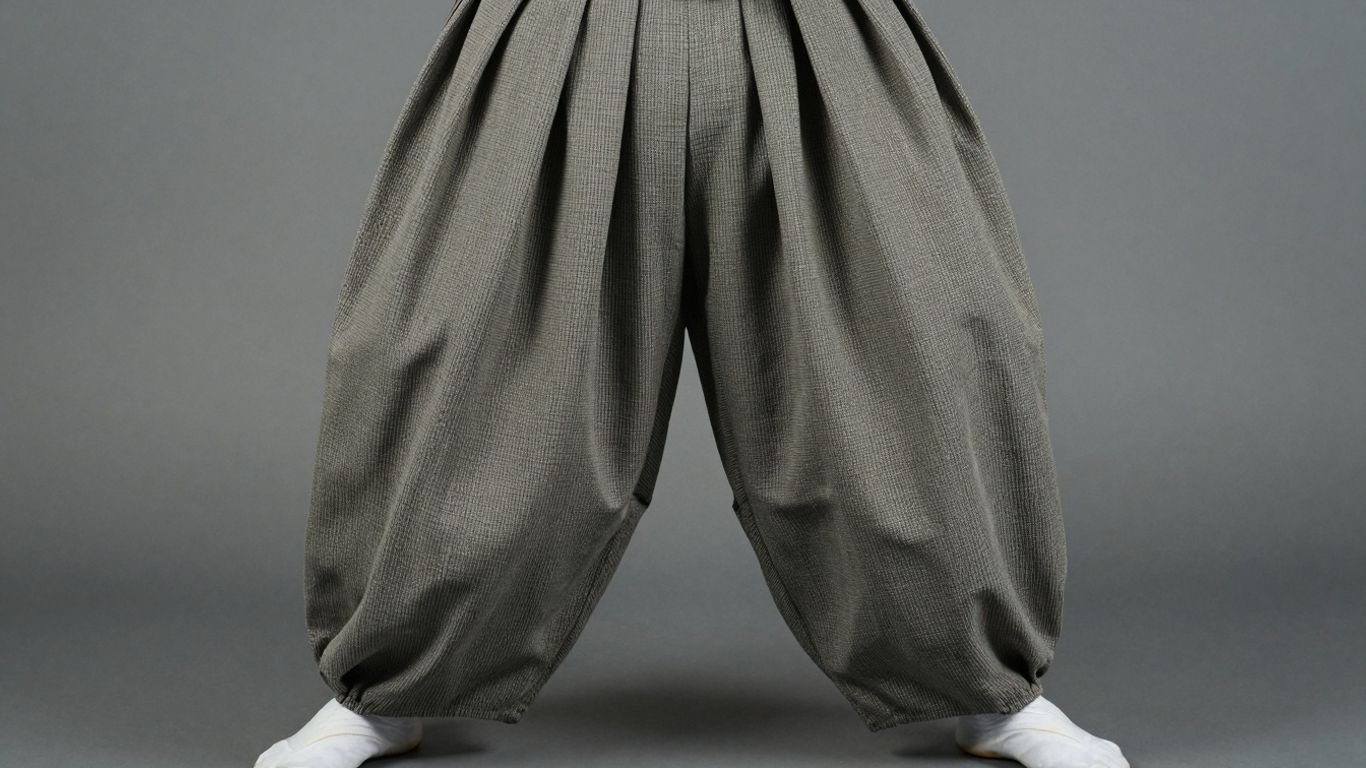
When you first see Tobi trousers, their shape just jumps out at you, right? It's not like anything else. This isn't just random design; it's all about function and a whole lot of history.
Engineered For Freedom Of Movement
These trousers were literally built for people working way up high on scaffolding. Think about it – you need to move freely, bend, stretch, and not feel restricted at all. The wide, baggy legs are the key here. They give you tons of room to move your legs around without the fabric pulling or getting in the way. This focus on unrestricted movement is probably the most important feature of Tobi trousers. It’s why they were so effective for the tobi workers, who were literally called the "men who fly" because of their work.
The Impact Of Tapered Ankles
Now, you might think wide legs mean they'd be sloppy or get caught on things, but that's where the genius comes in. The ankles are sharply tapered and often cinched. This does a couple of things. First, it stops the fabric from flapping around, which is safer when you're working at heights. Second, it creates a really distinct silhouette that looks intentional, not just baggy. It also helps keep wind from getting up the legs, which is a nice bonus.
Here's a quick look at how the shape breaks down:
- Voluminous Thighs: Maximum room for bending and squatting.
- Straight Leg (Mid-section): Maintains a clean line without being tight.
- Tapered Ankles: Prevents flapping, adds definition, and keeps things tidy.
A Symbol Of Artisan Craftsmanship
Beyond just being practical, the way Tobi trousers are made speaks volumes. They’re not just sewn together; they’re constructed with a certain care that reflects the skill of the people who wear them. You can see the craftsmanship in the way the fabric drapes and moves. It’s a garment that carries the pride of the workers who wore it, turning a piece of workwear into something with a deeper meaning. It’s a bit like how a skilled carpenter takes pride in their tools; these trousers are a reflection of the tobi's own expertise. You can find some amazing examples of these heritage Japanese brands that still uphold these traditional making methods today.
The unique shape of Tobi trousers is a direct result of their intended use. Every curve and taper serves a purpose, born from the demanding environment of high-altitude construction. This functional elegance is what makes them so compelling, even today.
Styling Traditional Japanese Trousers Today
So, you've got a pair of these awesome Tobi trousers, and you're wondering how to actually wear them without looking like you just stepped off a construction site? It's totally doable, and honestly, pretty fun once you get the hang of it. The key is all about balance and respecting the unique shape these pants have.
Balancing Volume With Complementary Tops
Because Tobi trousers are pretty roomy, especially in the thighs, you'll want to pair them with tops that don't add too much bulk. Think about a simple, well-fitting t-shirt, maybe tucked in to show off the waistline and the pants' shape. A clean, solid color works best to let the trousers be the star. If you're feeling a bit more adventurous, a slightly oversized but not baggy button-down shirt can also work, especially if you leave it untucked. It's all about creating a visual harmony, you know? You don't want to look like you're drowning in fabric.
Choosing Footwear With Presence
This is where a lot of people get tripped up. Slim, delicate shoes can make the whole outfit look a bit off, like the pants are too heavy for your feet. You need footwear that has some substance to it. High-top sneakers are a solid choice, giving a nice, grounded look. Sturdy boots, like work boots or even some chunkier fashion boots, also pair really well. If you want to go for something more traditional, split-toe boots, like the jikatabi style, are an authentic and super cool option that really completes the look.
Incorporating Traditional Japanese Elements
Want to really lean into the heritage? You can totally do that. Try layering a lightweight kimono jacket, known as a haori, over a plain tee. Or, look for shirts that have subtle traditional Japanese patterns. It’s a way to nod to the history without going full costume. This fusion approach is where things get really interesting, blending the old with the new in a way that feels fresh and respectful. It's like wearing a piece of history, but making it your own.
Where To Find Authentic Traditional Japanese Trousers
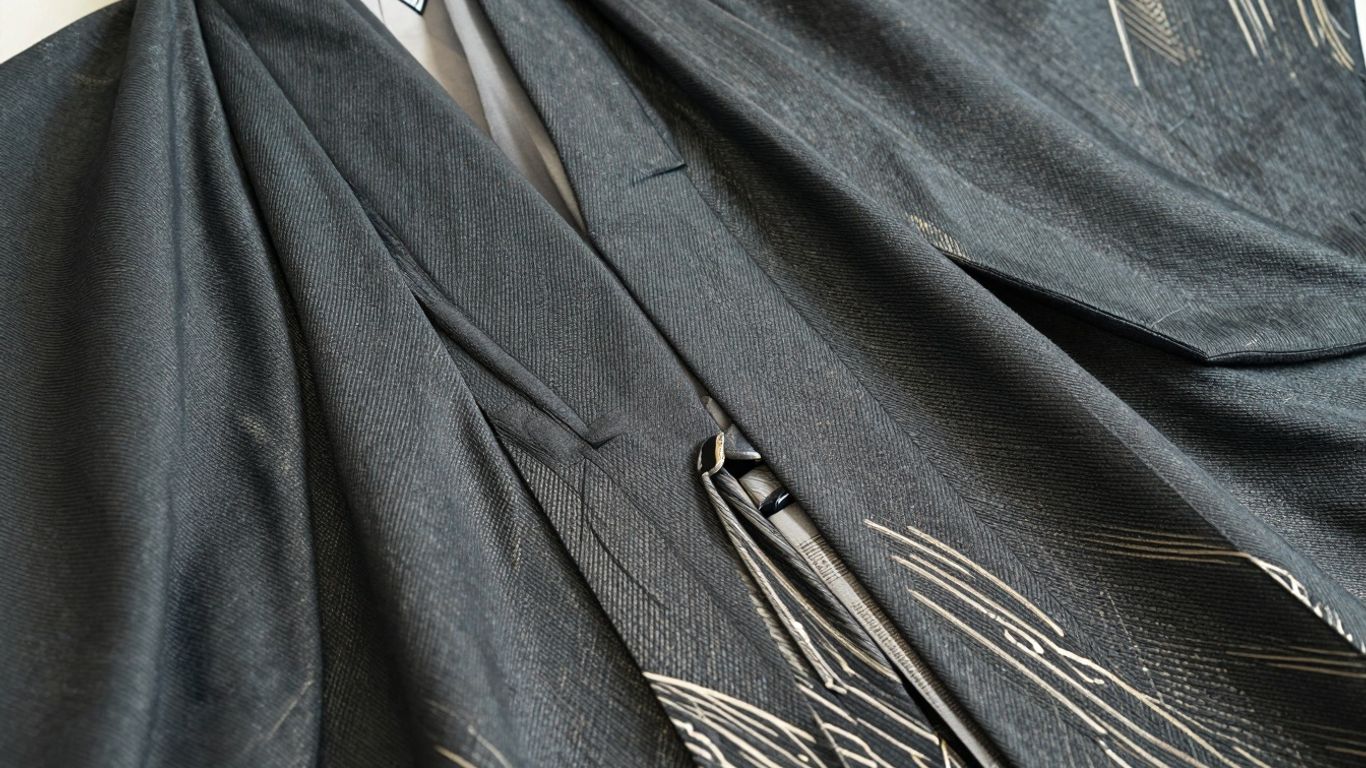
So, you've seen these amazing trousers and now you want a pair for yourself. That's totally understandable! Luckily, getting your hands on authentic Tobi Trousers isn't as hard as it used to be. They've moved beyond just the construction sites in Japan and are now available to folks all over the world. It just takes a little know-how.
Exploring Heritage Japanese Brands
If you're really after the genuine article, the best place to start is with the brands that have been making these trousers for generations. These companies know their stuff, and their gear is built to last. Think of them as the OGs of Tobi Trousers.
- Toraichi: These guys are super well-known among actual construction workers for making really tough, comfortable pants. They've even started making some lines that look a bit more modern, which is cool.
- Kantou Tobi: They've got this real Tokyo artisan pride, blending old-school style with some newer touches. People outside of Japan are starting to notice their quality fabrics and distinctive cuts.
- Murakami Hifuku: With over a hundred years in the business, they focus on making trousers that are both comfortable and look good. They use traditional methods but give them a clean, modern finish.
Navigating International Online Retailers
Don't live in Japan? No sweat. The internet has made it way easier to get these trousers wherever you are. There are a bunch of online spots that carry them, often with international shipping.
- Rakuten Global Market: This is a huge online marketplace with tons of sellers. Many of them ship worldwide, so it’s a good place to start looking if you're new to this.
- Amazon: You can find Tobi Trousers on Amazon, both the Japanese site and sometimes on international versions. Reading customer reviews can be really helpful here.
- Workman: This is a more budget-friendly option, often with simpler designs. It’s a great way to try out Tobi Trousers without spending too much.
Remember that Japanese sizing can be different from what you're used to. It's often a good idea to check the size charts carefully and maybe even consider going up a size to be safe.
The Appeal Of Contemporary Interpretations
Beyond the traditional brands, you'll also find newer companies and designers who are putting their own spin on Tobi Trousers. These might be made with different materials or have slightly altered fits, aiming for a more fashion-forward look. You can find these on streetwear sites or from independent designers who are inspired by Japanese workwear. They often blend the classic silhouette with modern fabrics and details, making them a unique addition to any wardrobe. It's a great way to get the look and feel of Tobi Trousers with a contemporary edge.
Beyond Workwear: The Cultural Significance
These trousers are way more than just something to wear on a job site. They actually carry a lot of history and meaning. Think about the people who first wore them – the tobi, or construction workers who built Japan's cities. They were known for their bravery and skill, moving around high scaffolding like birds. That's why they were called "men who fly."
Wearing these pants wasn't just about being practical; it was a statement. It showed you were part of a group, proud of your work, and ready to take on tough jobs. It was like a uniform that brought people together.
A Uniform Of Solidarity And Camaraderie
For the tobi workers, their trousers were a badge of honor. They represented a shared identity and a strong sense of belonging. When you saw someone in those distinctive pants, you knew they were part of that skilled, daring community. It was a visual cue that said, "We work together, we face challenges together."
- Shared Identity: Wearing the same style of trousers fostered a sense of unity.
- Professional Pride: It signaled a connection to a respected and demanding trade.
- Mutual Respect: The pants became a symbol of the camaraderie among workers.
Wearable Culture: A Testament To History
When you put on a pair of traditional Japanese trousers, you're not just wearing fabric; you're wearing a piece of history. These garments are a direct link to the past, showing how people lived, worked, and expressed themselves through clothing centuries ago. They tell a story of craftsmanship, adaptation, and cultural evolution.
The design itself, with its focus on freedom of movement and durability, speaks volumes about the needs and values of the people who created and wore them. It’s a tangible connection to the ingenuity of past generations.
The Evolution Of Japanese Workwear Aesthetics
Workwear in Japan has always had a unique look. It’s not just about function; there’s an aesthetic that’s developed over time. Traditional Japanese trousers, like the tobi-zubon, started out purely practical but have influenced fashion in surprising ways. What was once seen only on construction sites is now being reinterpreted by designers and embraced by people who appreciate that blend of utility and style. It shows how practical clothing can become a source of inspiration, proving that good design has a lasting appeal, no matter the context.
| Era | Key Garment Influence | Primary Function |
|---|---|---|
| Edo Period | Karusan Pants | Physical Labor |
| Post-War | Tobi-zubon | High-Rise Construction |
| Present Day | Modern Interpretations | Fashion & Utility |
Innovative Designs Inspired By Traditional Japanese Trousers
It’s pretty wild how traditional workwear is finding its way into high fashion these days, right? Tobi trousers, with their super distinctive shape, are a prime example. Designers are taking cues from that classic, roomy-thighed, tapered-ankle look and giving it a whole new spin. They’re not just copying; they’re reimagining what these pants can be.
Modern Takes On Classic Silhouettes
Think about it: the original Tobi trousers were built for serious movement and wind resistance. Designers are playing with that. You'll see variations that keep the volume but maybe use lighter fabrics, or adjust the taper for a slightly different feel. Some brands are even playing with the length, offering cropped versions or extra-long styles that pool around the shoes. It’s all about taking that iconic shape and making it fit into today’s wardrobe.
- Volume Play: Designers are experimenting with how much volume is in the thigh and how sharp the ankle taper is.
- Fabric Innovation: Moving beyond traditional cotton, you'll find Tobi-inspired pants in everything from technical nylons to soft linens, like those found in Tattsuke Bakama Pants.
- Length Adjustments: Cropped, full-length, and even exaggerated lengths are appearing, changing the overall drape.
Integrating Traditional Motifs And Materials
Beyond just the silhouette, designers are also looking at the cultural elements. This means incorporating traditional Japanese patterns, like subtle geometric prints or even motifs inspired by nature, right onto the trousers. They might use fabrics that have a historical connection, or add details like reinforced stitching that nod to the original craftsmanship. It’s a way of telling a story through the clothing.
The fusion of traditional Japanese textiles with modern trouser designs creates pieces that are both visually striking and deeply meaningful. It’s a way to wear a piece of history.
The Fusion Of Functionality And Fashion
What’s really cool is how these new designs manage to keep that practical edge. Even when they look super stylish, they often retain some of the original functionality. Pockets might be deeper, the fit might still allow for easy movement, or the materials might be chosen for durability. It’s this blend of looking good and being able to actually do things in your clothes that makes them so appealing. They’re not just pretty; they’re practical, just like the originals were for those high-flying workers.
More Than Just Pants
So, we've journeyed through the history and style of Tobi Trousers, moving way beyond the familiar kimono. It's pretty clear these aren't just any old work pants. They've got roots going way back, influenced by samurai gear and everyday work clothes from centuries ago. Then, they got a serious upgrade for the tough jobs on postwar construction sites, becoming a symbol for those brave workers. Now, they're popping up everywhere, from streetwear looks to high fashion runways. It's cool how something so practical can also be so stylish and carry so much history. Whether you're rocking them for comfort, style, or to honor their past, Tobi Trousers really are a piece of wearable culture.
Frequently Asked Questions
What exactly are Tobi Trousers?
Tobi Trousers, also known as tobi-zubon, are a special kind of Japanese pants. They were first made for construction workers, called 'tobi,' who build tall scaffolding. These pants have a really unique look: they are baggy in the legs but get tight around the ankles. This design helps workers move easily and stay safe when working high up.
Where did the idea for Tobi Trousers come from?
The design of Tobi Trousers has roots in older Japanese clothing. Think of the wide-legged hakama worn by samurai, which allowed for lots of movement. Also, practical work pants from a long time ago called karusan were tied below the knee, making them good for physical jobs. Tobi workers took ideas from these old styles to create pants perfect for their modern, tough jobs.
Why are they called 'Tobi' trousers?
The name 'tobi' means 'flying bird' in Japanese. It's a nickname for the brave construction workers who build scaffolding. They move so skillfully and quickly up high, it looks like they're flying. So, the trousers they wear are named after them, representing their daring work and skill.
Are Tobi Trousers just for work?
Not anymore! While they were originally made for construction workers, Tobi Trousers have become super popular in fashion all over the world. People like their cool, unique shape and the history behind them. You can see them styled in many different ways, from casual streetwear to more dressed-up looks.
How should I wear Tobi Trousers if I'm not a construction worker?
To style them, try to balance their loose shape. Pair them with tops that aren't too tight, maybe a simple t-shirt or a relaxed shirt. For shoes, something with a bit of bulk, like high-top sneakers or sturdy boots, works well. You can also add a touch of Japanese style with a jacket that has traditional patterns.
Where can I buy real Tobi Trousers?
You can find authentic Tobi Trousers from Japanese brands that have been making them for a long time. Some well-known workwear companies specialize in them. You can also look for them on international online stores that sell Japanese fashion or workwear. Sometimes, designers create modern versions inspired by the classic style.