

Recent Post


The Ultimate Guide to Authentic Japanese Souvenir Jackets (Sukajan)
Thinking about what to bring back from Japan? Forget the usual trinkets. There's a much cooler souvenir that tells a story: the Japanese souvenir jacket, or sukajan. These aren't just jackets; they're wearable art with a past, blending American style with Japanese flair. If you want something truly unique that screams 'I've been to Japan,' this is it. We'll break down what makes a sukajan special, where to find one, and how to keep it looking sharp.
Key Takeaways
- The sukajan, or Japanese souvenir jacket, originated after World War II when American soldiers stationed in Japan wanted personalized mementos.
- These jackets are known for their intricate embroidery, often featuring a mix of Eastern and Western motifs like dragons, tigers, eagles, and cherry blossoms.
- Authentic sukajan are typically made from materials like silk or satin and are often reversible, offering two distinct looks in one garment.
- When choosing a sukajan, consider whether you prefer a vintage piece with a unique history or a contemporary design, and pay attention to the fit for a stylish look.
- Genuine sukajan can be found in specialized shops in Japan or through reputable online retailers, with customization options available for a truly personal touch.
Understanding the Japanese Souvenir Jacket (Sukajan)
What Exactly Is a Sukajan?
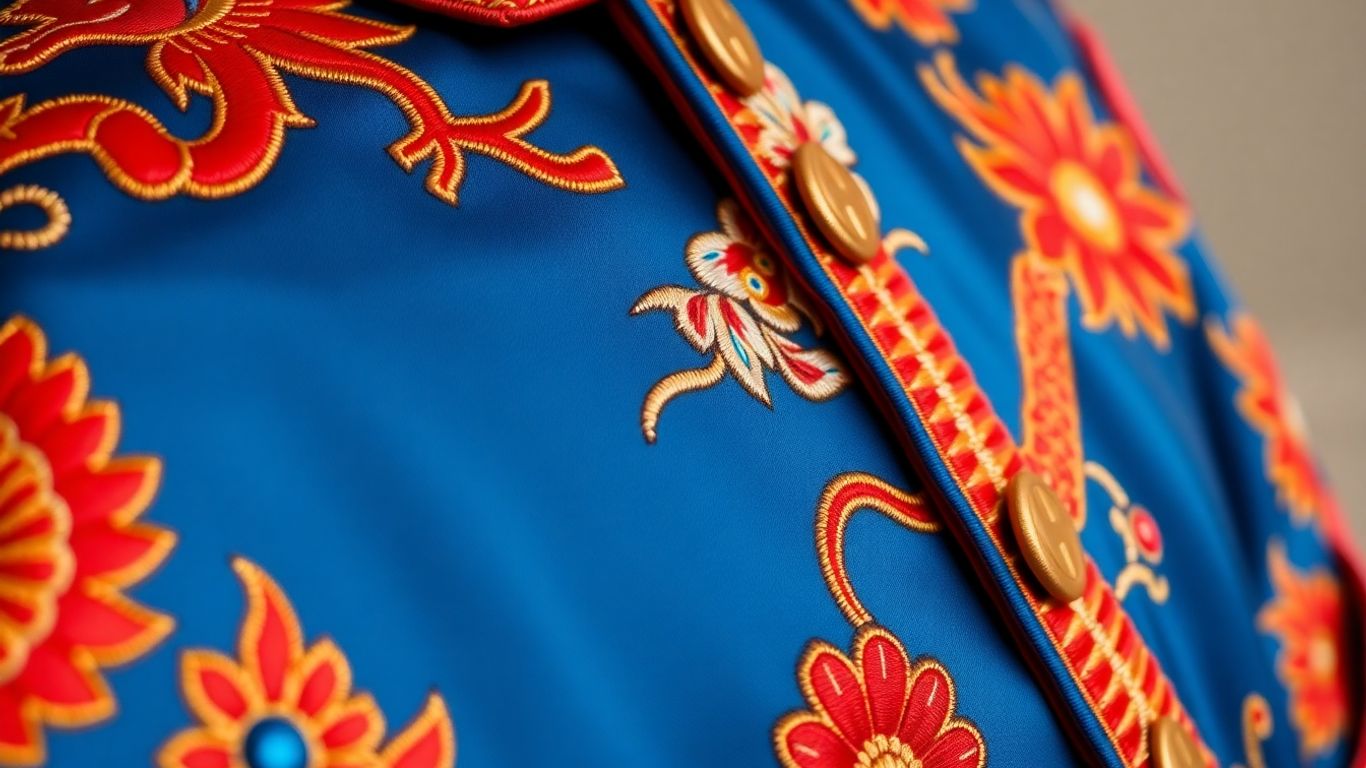
So, what exactly are we talking about when we say 'sukajan'? Think of it as a really cool, embroidered jacket that’s become a symbol of Japanese street style. It’s basically a type of souvenir jacket, often made from shiny materials like silk or satin, and it usually has some pretty wild designs stitched onto it. These aren't your average jackets; they're like wearable art, telling a story with every thread. You might have seen them on celebrities or in movies – they have this unmistakable vibe that's both retro and totally modern.
The Meaning Behind the Name 'Sukajan'
The name 'sukajan' itself is a bit of a mashup. It’s believed to come from 'Yokosuka', a city in Japan that used to be a big naval base for American soldiers after World War II. The 'jan' part is thought to be a shortened, Japanese take on the English word 'jumper', referring to the jacket style. So, 'Sukajan' basically means 'Jumper from Yokosuka'. It’s a neat little piece of history packed right into the name.
A Blend of Eastern and Western Motifs
What really makes a sukajan stand out is the mix of designs you see on them. You'll often find classic American symbols, like eagles, right alongside traditional Japanese imagery – think dragons, tigers, cherry blossoms, or even geishas. This blend happened because American soldiers wanted to remember their time in Japan, so they'd get these jackets customized with things that represented both their home country and their experiences overseas. It’s this fusion of cultures that gives the sukajan its unique character.
The Rich History of the Sukajan
The story behind the Japanese souvenir jacket, or Sukajan, is pretty interesting. It all really kicked off after World War II. American soldiers stationed in Japan were looking for a way to remember their time there, you know, something to bring back home that wasn't just a postcard. They started getting their jackets customized by local Japanese tailors.
Post-World War II Origins
So, picture this: the war's over, and American servicemen are hanging around in Japan. They had these flight jackets, and they wanted something unique. They'd go to these shops, often near naval bases like the one in Yokosuka, and ask for elaborate designs to be embroidered onto their jackets. These weren't just random pictures; they often featured symbols that represented their time in Japan or even maps of military campaigns. It was a way to personalize a standard-issue item into a one-of-a-kind keepsake. The origin of the jacket itself is a bit debated, with some saying it was the soldiers who initiated the trend and others suggesting the sellers were the ones who pushed for it.
American Soldiers' Quest for Keepsakes
This whole trend really took off because soldiers wanted tangible memories. Limited space in their luggage meant they couldn't bring back bulky souvenirs. A jacket, however, was practical and could be worn. The embroidery often blended American symbols, like eagles, with Japanese motifs such as dragons, tigers, or cherry blossoms. Sometimes, they even used designs inspired by Chinese silk pillows to get that more general 'Asian' feel that soldiers were after. It was a cultural exchange stitched right onto fabric.
Evolution into a Fashion Statement
What started as a personal memento for soldiers gradually morphed into something more. By the 1960s, Japan saw a rise in what they called "Ametora," an obsession with American fashion. While many embraced American styles, some saw the Sukajan as a form of rebellion against this trend, wearing it as a statement piece. Over time, it also became associated with certain subcultures, but nowadays, it's firmly established as a stylish, edgy fashion item. It's a piece of clothing that tells a story, whether it's about military history or personal style. You can find these jackets in many places, including shops like Prince Shokai in Tokyo.
Here's a quick look at how the jacket evolved:
- Early Days (Post-WWII): American soldiers commission custom embroidery on flight jackets.
- Mid-20th Century: Becomes a popular souvenir item, with designs blending Eastern and Western imagery.
- 1960s Onward: Adopted by Japanese youth as a fashion statement and symbol of individuality.
- Contemporary Era: Recognized globally as a unique piece of wearable art and a fashion staple.
Key Elements of an Authentic Sukajan
So, you're looking to snag a real deal sukajan, huh? It's not just about grabbing any shiny jacket; there are a few things that make a sukajan truly authentic. Think of these as the secret ingredients that give these jackets their soul.
Embroidery: The Heart of the Jacket
This is where the magic happens. The embroidery on a sukajan is its main event, telling a story with every stitch. You'll see a mix of Japanese and American motifs – think eagles, dragons, tigers, cherry blossoms, and sometimes even maps. The level of detail and the vibrancy of the colors are usually a good indicator of quality. Authentic pieces often feature intricate, hand-stitched designs that really pop. It's not just decoration; it's art that's meant to last.
Fabric Choices: Silk, Satin, and Beyond
What the jacket is made of matters a lot. Traditionally, you'll find sukajan made from materials like:
- Silk: Offers a luxurious sheen and a smooth feel.
- Satin: Similar to silk, it provides that classic glossy look.
- Rayon: A more common and often more durable alternative that still drapes well.
- Nylon/Polyester Blends: You might see these in newer or more casual versions.
These fabrics are chosen for how well they take dye and how beautifully they showcase the embroidery. You'll want to be a bit careful with satin and silk, though – they're not exactly best friends with rain.
The Significance of Reversible Designs
Many sukajan come with a cool trick: they're reversible! This wasn't just for fashion, though it definitely adds to the versatility. Back in the day, American soldiers wanted souvenirs, but some of the designs they chose might have been a bit too bold or even offensive to wear openly. So, tailors would create a second, more subdued design on the inside. This way, the wearer could flip the jacket and show off a different look, or keep the more controversial art hidden.
The reversible nature of sukajan is a fascinating nod to their history, blending personal expression with a need for discretion. It's a design choice that speaks volumes about the jacket's origins and the people who wore them.
When you're checking out a jacket, see if it has this dual personality. It's a hallmark of many genuine pieces and doubles your styling options, which is always a win.
Choosing Your Perfect Japanese Souvenir Jacket
So, you've decided a sukajan is the souvenir for you. Awesome choice! But with so many options out there, how do you pick the one that's just right? It's not just about grabbing the first cool-looking jacket you see. You've got to think about what makes it special to you.
Vintage vs. Contemporary Sukajan
This is a big one. Do you want something that feels like it has a story, or something fresh off the press? Vintage sukajan jackets have that authentic, lived-in feel. They might have a bit of wear and tear, but that's part of their charm. They're like a direct link to the past. On the other hand, contemporary jackets are made with modern techniques and materials. They often have sharper embroidery and cleaner lines. Think of it like this:
- Vintage: Unique character, historical connection, potential for minor imperfections.
- Contemporary: Pristine condition, updated designs, often more readily available.
If you're looking for that genuine, historical vibe, hunting for a vintage piece might be your path. For those who want the classic look with modern durability, contemporary is the way to go. You can find some amazing recreated vintage styles from brands like Tailor Toyo.
Considering Design and Color
This is where your personal style really shines. What kind of imagery speaks to you? Are you drawn to fierce dragons, serene cherry blossoms, or maybe majestic whales? The back of a sukajan is a canvas, and the possibilities are endless. Think about the colors too. Do you prefer bold and bright, or something more subdued? Black, navy, and olive green are classic bases, but don't shy away from bolder colors if that's your thing.
- Motifs: Tigers, dragons, eagles, koi fish, geishas, floral patterns, maps.
- Colors: Deep blues, blacks, reds, greens, gold, silver.
Remember, the embroidery is the star of the show. Take your time to find a design that you'll be happy looking at for years to come. It's a statement piece, after all.
The Importance of Fit and Style
Fit is everything, right? A sukajan is typically a bit boxy and has a relaxed silhouette, but you still want it to fit well. It shouldn't be too tight, especially around the shoulders, and the sleeves should hit at the right spot on your wrist. Consider how you plan to wear it. If you like layering with hoodies or thicker sweaters, you might want to size up slightly. Ultimately, the best sukajan is the one that makes you feel confident and comfortable. Don't be afraid to try different sizes and styles to see what works best for your body type and personal fashion sense.
Where to Find Genuine Sukajan Jackets
So, you've decided you need a sukajan in your life. Awesome choice! But where do you actually find the real deal? It can feel a bit like a treasure hunt, but don't worry, I've got some pointers.
Exploring Renowned Shops in Japan
If you're lucky enough to be heading to Japan, you absolutely have to check out some of the places where these jackets were born. Yokosuka itself is the obvious starting point. There are shops that have been making these for decades. Prince Shokai in Tokyo, for instance, has been around for about 70 years and is a fantastic spot. They even let you customize your own jacket, picking out the fabric and the embroidery designs. It’s a pretty cool way to get something totally unique.
Navigating Online Retailers
Not everyone can hop on a plane to Japan, right? Thankfully, the internet makes things a lot easier. You'll find a bunch of online stores that specialize in sukajan. Some are dedicated sukajan makers, while others are more general Japanese fashion retailers. It's worth doing a bit of digging to find reputable sellers. Look for sites that have detailed descriptions and good photos of the embroidery. Some brands, like Tailor Toyo, are well-known for their quality and you can often find their jackets on various e-commerce platforms.
Be aware that prices can vary wildly, from under $200 for simpler designs to well over $400 for heavily embroidered or vintage pieces.
Customization Options for a Unique Piece
Want something that's truly yours? Customization is where it's at. As I mentioned, some shops in Japan, like Prince Shokai, offer this service. You get to choose the base jacket material, the colors, and then pick from a huge range of embroidery patterns. You can go classic with dragons and tigers, or maybe something more personal. It takes a bit longer, of course, but the result is a jacket that tells your own story. Some online retailers might also offer limited customization, so it's worth checking their options.
Caring for Your Cherished Souvenir Jacket
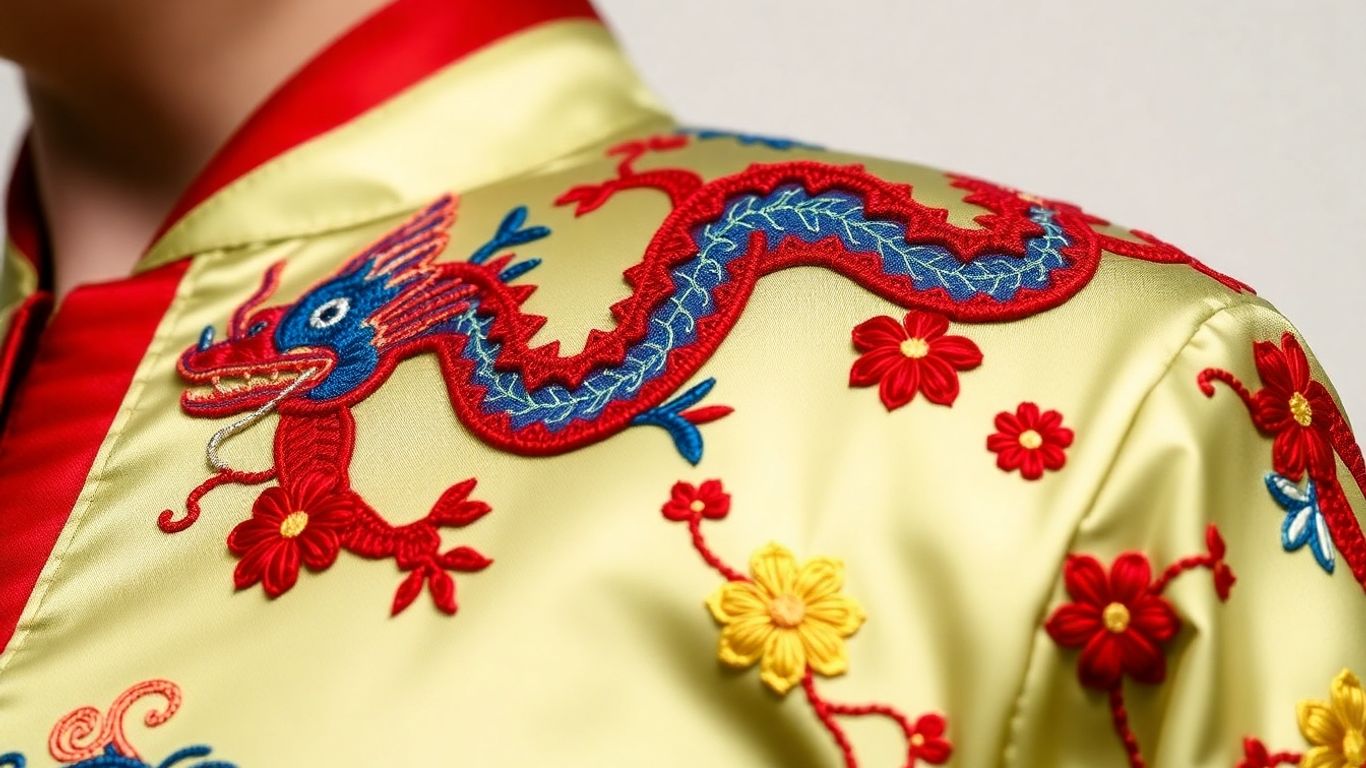
So, you've snagged yourself a killer sukajan. Awesome! Now, how do you keep it looking sharp and that embroidery popping? These jackets, especially the ones with all that intricate stitching, need a little TLC. It's not like tossing a hoodie in the wash, you know?
Gentle Washing Techniques
First off, forget the hot water and the super aggressive spin cycles. Washing your sukajan inside out in cold water is your best bet. Use a mild detergent – nothing too harsh that could mess with the dyes or the fabric. If you're using a washing machine, definitely use the delicate or hand-wash setting. And please, for the love of all things cool, do not tumble dry these beauties. The heat can really damage the satin or silk and make that embroidery look sad.
Protecting Delicate Fabrics
Sukajan are often made from materials like silk or satin, which aren't exactly built for rough and tumble. This means keeping them away from harsh sunlight when drying is a good idea, as it can fade the colors over time. Also, if your jacket is reversible, make sure you're treating both sides with care. Some people even opt for dry cleaning, but honestly, that can sometimes be too harsh for the delicate threads and fabrics. It's a bit of a balancing act.
When it comes to cleaning, think of it like caring for a piece of art. You wouldn't scrub a painting, right? The same principle applies here. Gentle handling and the right products make all the difference in preserving the jacket's unique character and the stories woven into its fabric.
Ensuring Longevity of Embroidery
The embroidery is the star of the show, so it needs special attention. Avoid ironing directly on the embroidered areas. If you must iron, do it on the reverse side, and keep the heat low. Some sources even suggest avoiding dry cleaning altogether to preserve the sheen of the satin and the integrity of the detailed stitching. If you're looking for a jacket that's built to last, consider the Tenryu design as an example of intricate craftsmanship that requires mindful upkeep.
Here’s a quick rundown:
- Wash: Inside out, cold water, mild detergent, delicate cycle.
- Dry: Air dry only, away from direct sunlight. Never tumble dry.
- Iron: On reverse side, low heat, avoid embroidered areas.
- Storage: Hang on a padded hanger or fold carefully to avoid creasing.
Taking these steps will help your sukajan stay looking fantastic for years to come, keeping those amazing designs vibrant and the fabric smooth.
So, What's the Big Deal with Sukajan?
Alright, so we've talked a lot about these cool Japanese souvenir jackets, the sukajan. They're not just some random piece of clothing, you know? They've got this whole history tied to American soldiers after World War II, wanting a memento from their time in Japan. And the embroidery? It's seriously detailed, mixing Japanese art with American symbols. Finding the right one can be a bit of a hunt, whether you're looking for something vintage with a story or a brand new one with killer designs. They can be a bit pricey, especially the ones with tons of stitching, but honestly, they're like wearable art. So, if you're looking for a souvenir that's way more interesting than a keychain, a sukajan might just be your perfect pick. It's a piece of Japan you can actually wear and show off.
Frequently Asked Questions
What exactly is a sukajan jacket?
A sukajan, also known as a souvenir jacket, is a type of bomber jacket that started in Japan. It's usually made of shiny materials like silk or satin and is decorated with cool, colorful pictures, often showing Japanese designs like dragons, tigers, or flowers. Think of it as a wearable piece of art that tells a story.
Where did the name 'sukajan' come from?
The name 'sukajan' is a bit of a mix-up! It comes from 'Yokosuka Jumper.' Yokosuka was a city in Japan where a big American naval base was located after World War II. American soldiers there wanted to remember their time in Japan, so they had local artists put cool designs on their jackets. 'Jumper' was what they called this kind of jacket, and 'Yokosuka Jumper' got shortened to 'sukajan'.
Why are sukajan jackets often reversible?
Sukajan jackets were often made to be worn on both sides for a couple of reasons. Sometimes, the designs on one side had messages or pictures that might have been a bit too bold or even offensive to some people. So, the other side would have a different, more neutral design. It also meant you basically got two jackets in one, which was a great way to show off different styles!
What kind of designs are usually on a sukajan?
Sukajan jackets are famous for their awesome embroidery! You'll often see classic Japanese symbols like tigers, dragons, koi fish, cherry blossoms (sakura), and geishas. They also sometimes mix in American symbols, like eagles, to represent the blend of cultures from when they first became popular after World War II.
How should I take care of my sukajan jacket?
Because sukajan jackets often have delicate fabrics and detailed embroidery, you need to be gentle. It's best to wash them by hand or on a very gentle machine cycle with cold water. Avoid using harsh soaps or rubbing the embroidered parts too hard. It's also a good idea to keep them away from heavy rain since the materials aren't usually waterproof.
Where can I buy a real sukajan jacket?
You can find genuine sukajan jackets in specialty shops in Japan, especially in places like Yokosuka. There are also reputable online stores that sell them, and some even let you create your own custom design! Be sure to look for well-known brands or shops that focus on authentic Japanese clothing to make sure you're getting the real deal.


